ʚїɞ
Bandstand Park
Pollinator Garden
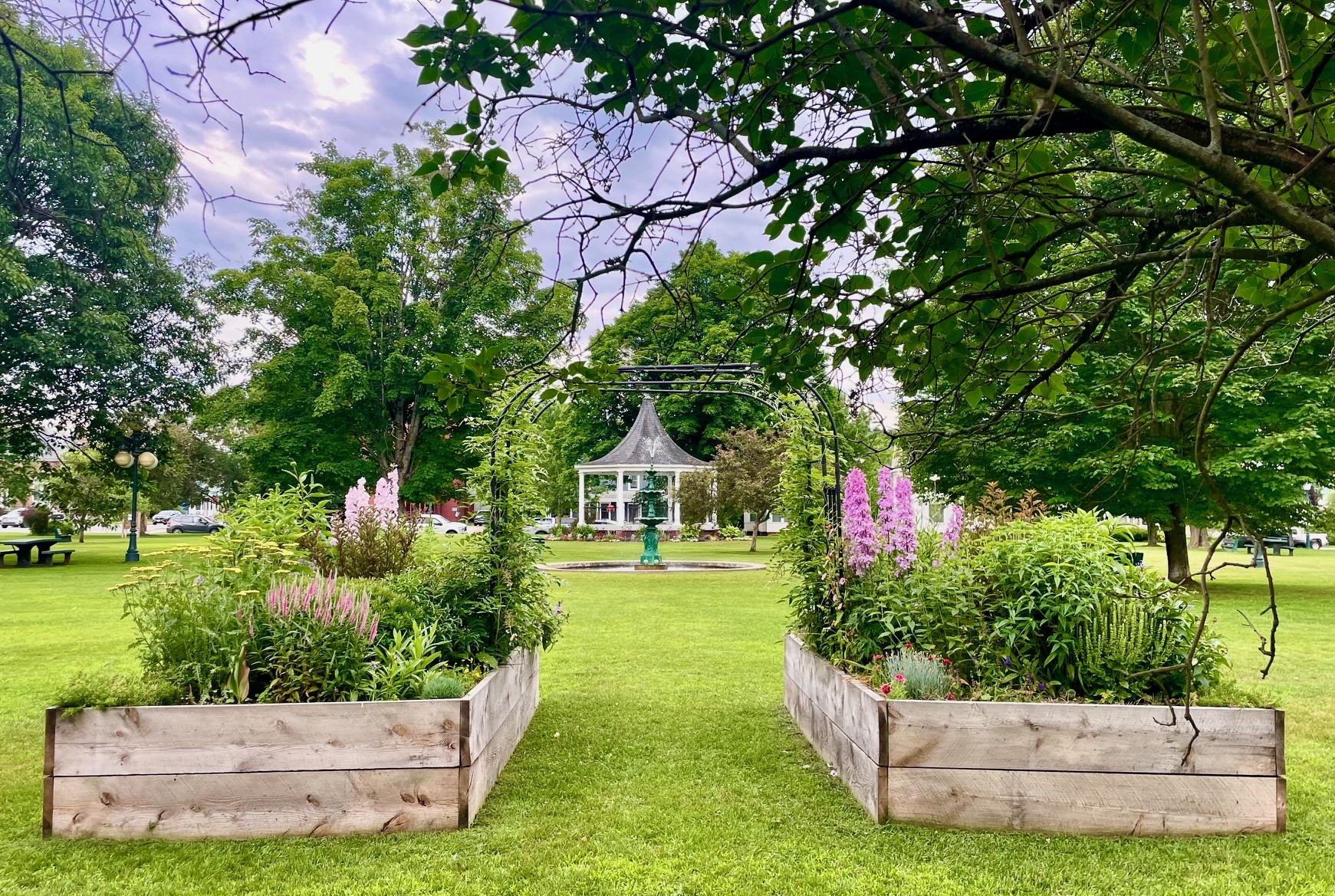
Our pollinator garden was made possible with the generous support of AARP and contains a variety of pollinator-friendly plants. It was created using untreated hemlock and organic compost and soil to allow for butterflies, bees and other pollinators to safely habitate. Dead flower heads and stems are left on the plants to provide overwintering sites for immature insects. Scroll down to read about the plants in the garden, as well as some of the pollinators that may visit.
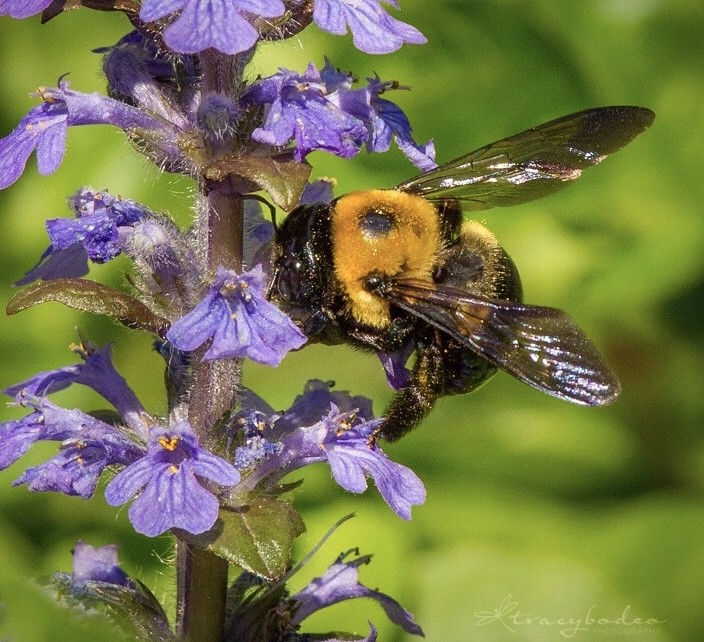
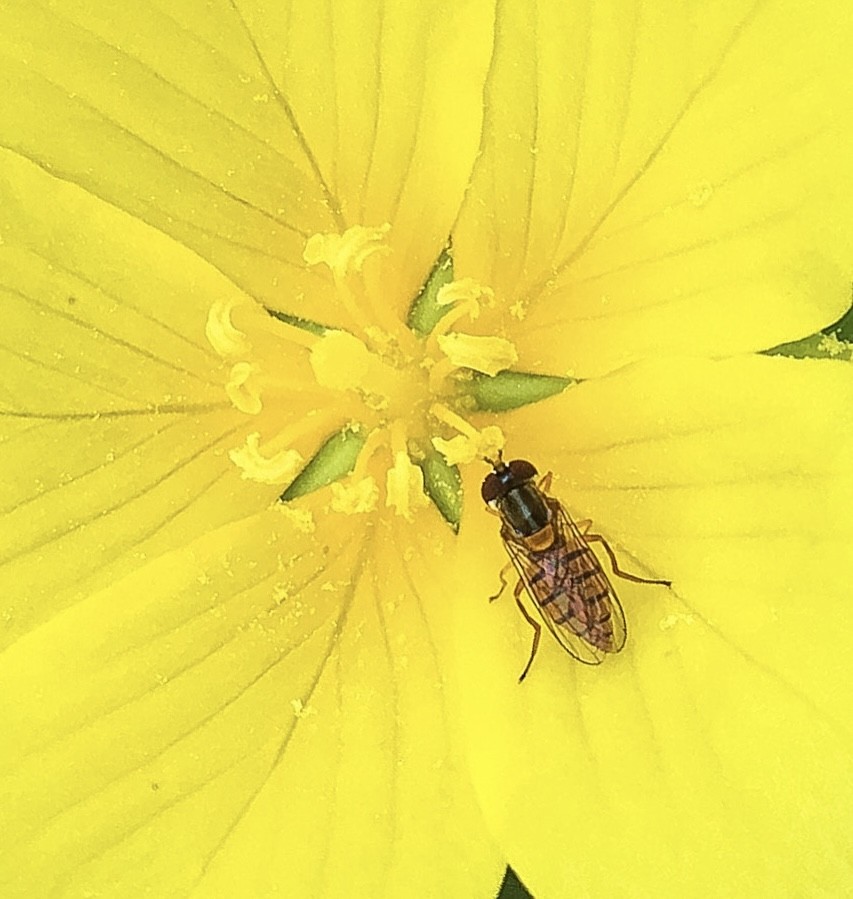
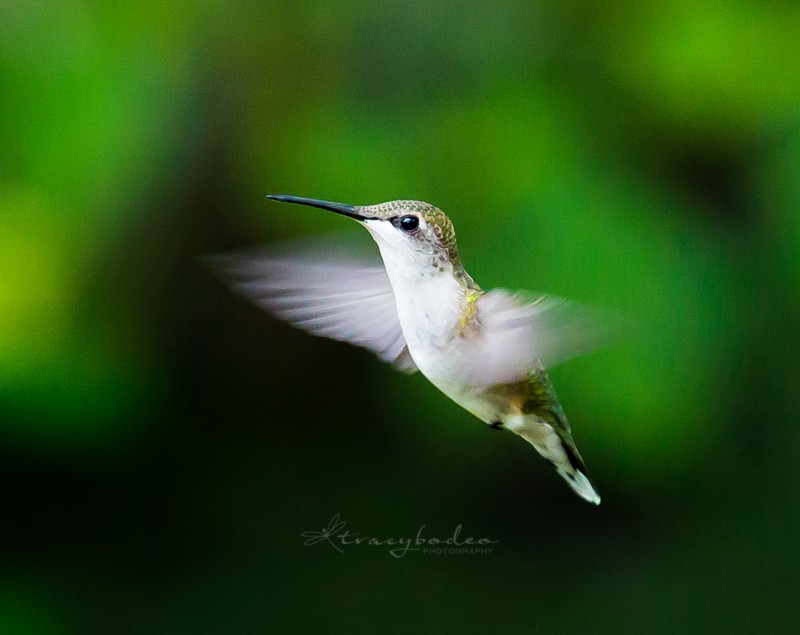
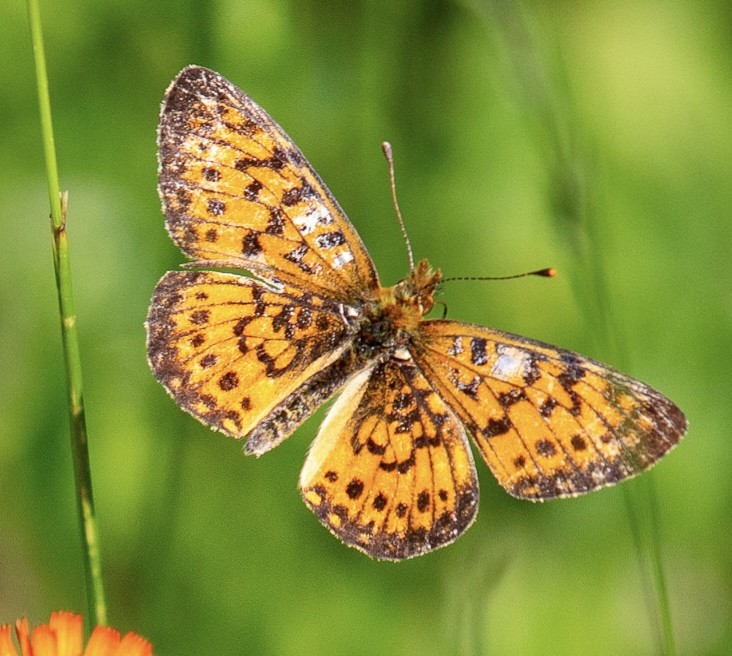
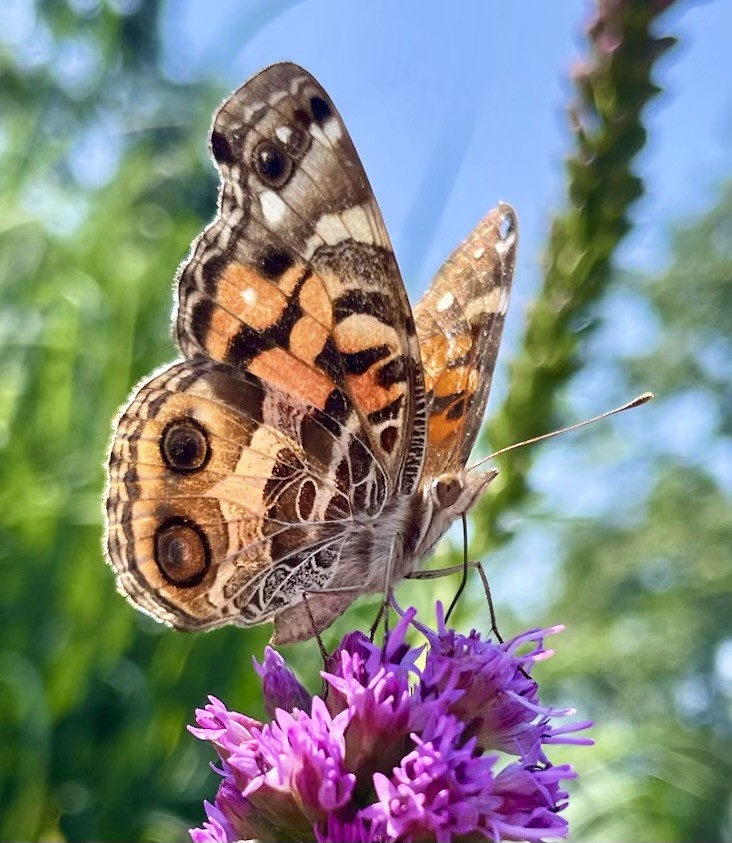
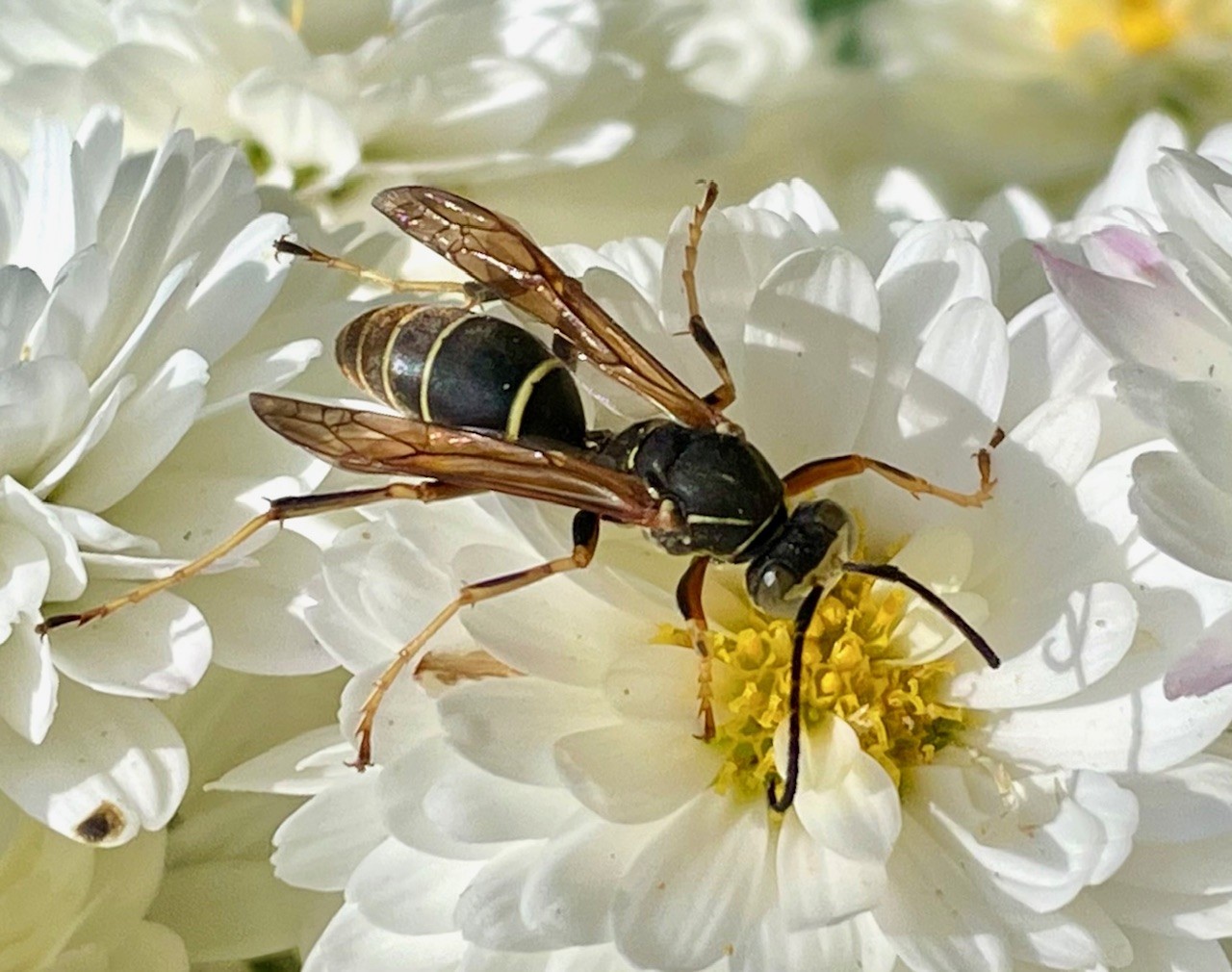
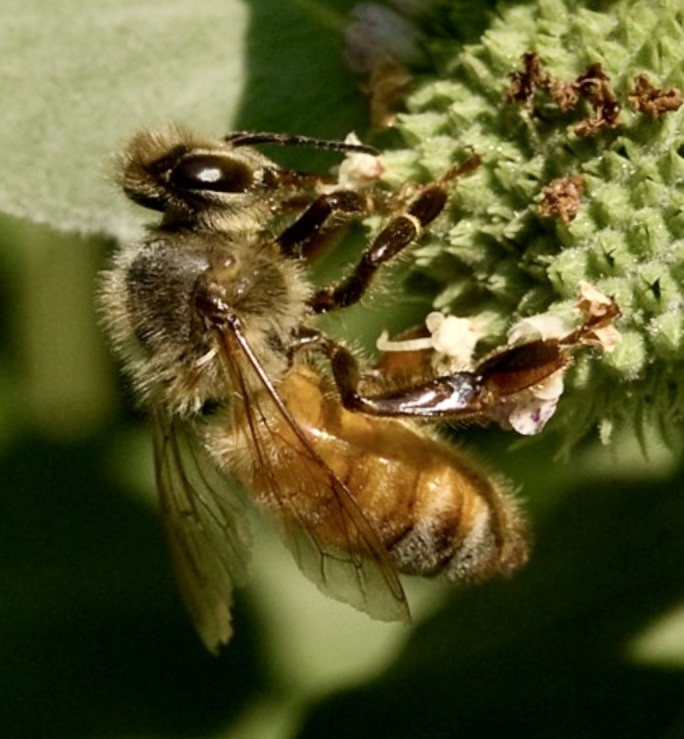
What is a pollinator? A pollinator is an insect or other animal that moves pollen from the male to female part of a flower. According to Cornell University, eighty percent of plants need insects for pollination, so their health is very important. Many species of butterflies, bees, beetles, moths, wasps, flies, and hummingbirds are pollinators. A variety of plants are needed to provide nectar as food and shelter for pollinators. Read more by clicking here.
The plants below are loved by pollinators and bloom at different times throughout the growing season. Can you identify them?….
.
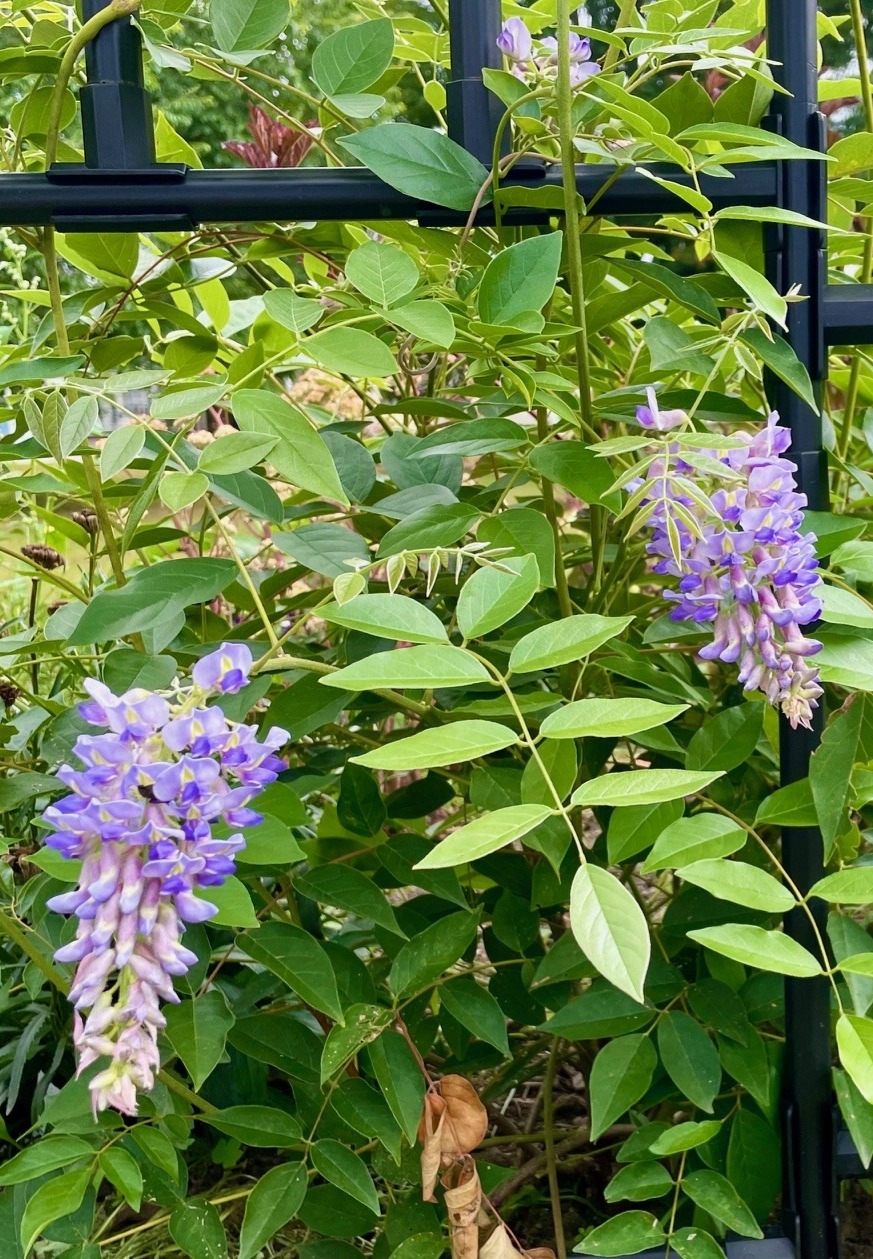
⇐Wisteria Vine (Wisteria sp.)
Blooms spring into summer. This woody wine can reach heights of 10 – 40 feet and is known for its fragrant, cascading purple-to-blue flower clusters.
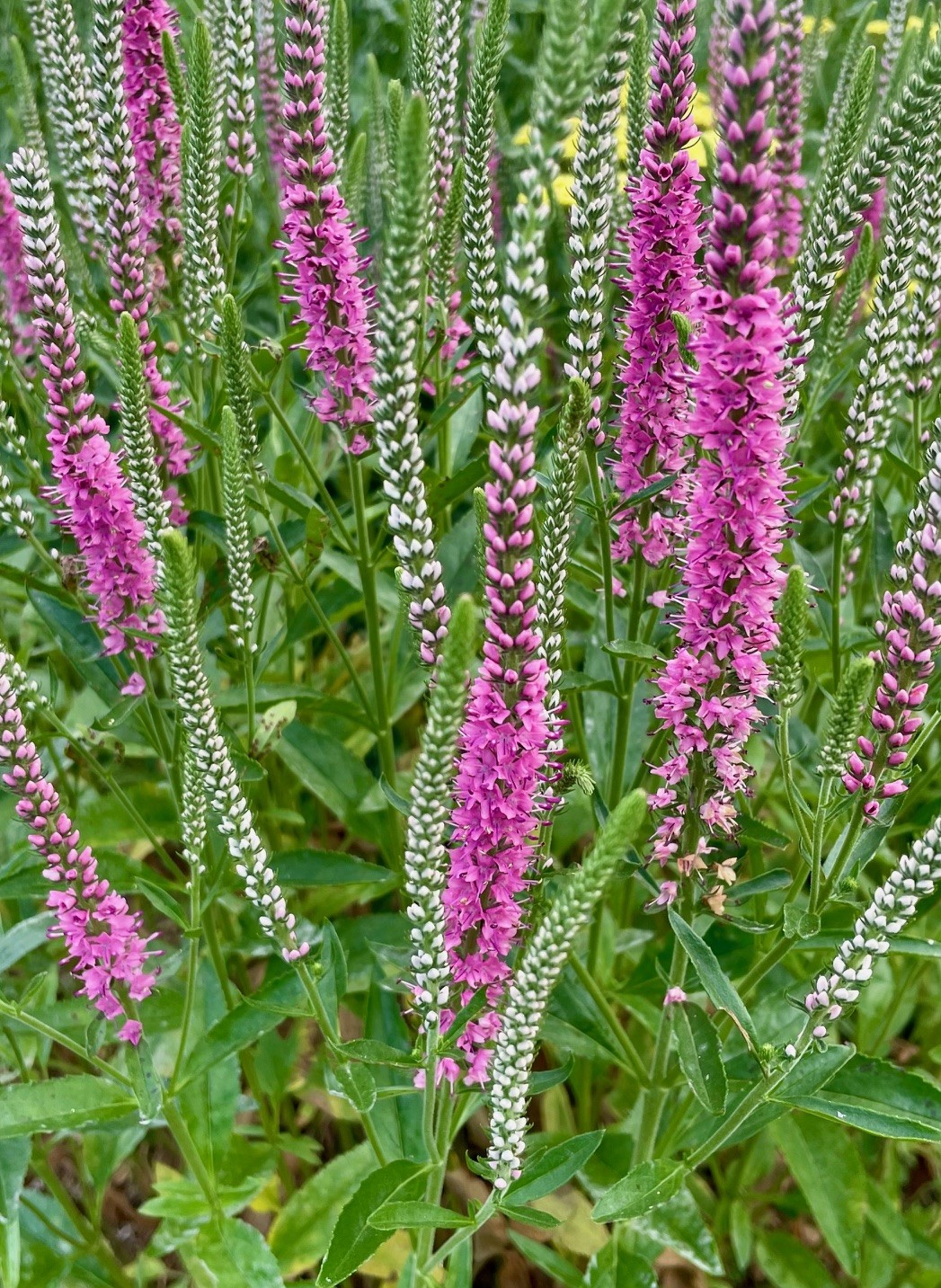
Spiked Speedwell (Veronica spicata) ⇒
Grows up to 3 feet tall and 2 feet wide.
Blooms in the summer and bears 1 foot long spikes with blue, pink, purple and white flowers.

⇐ Dianthus (Dianthus sp.)
Grows 12″-18″ tall and comes in a
variety of colors.
Blooms in the spring and summer.
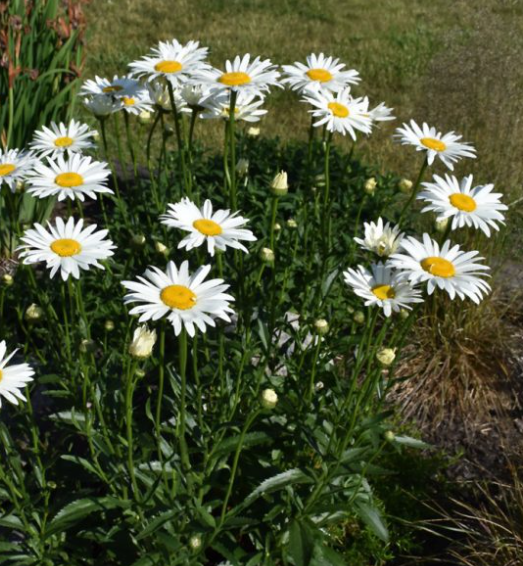
Shasta Daisy (Lucanthemum superbum) ⇒
There are several varieties in the garden.
They grow from 1 – 4 feet tall.
Daisies bloom throughout the summer.
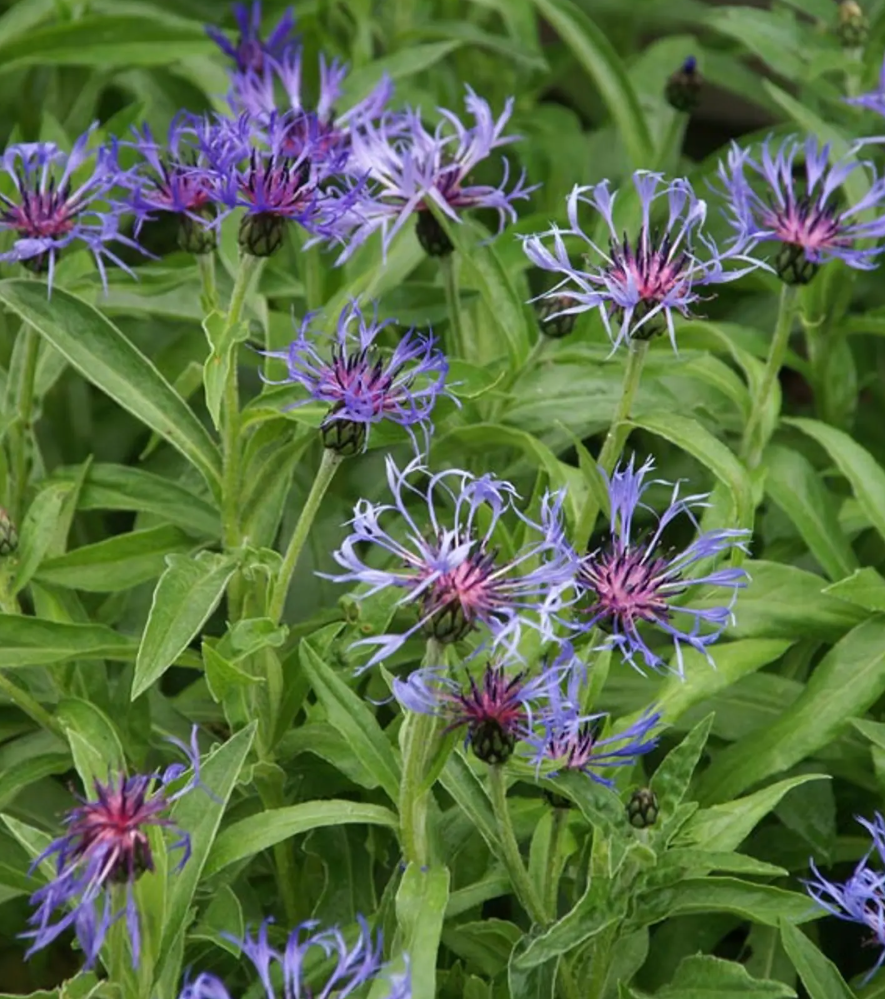
⇐ Bachelor Buttons (Centaurea cyanus), also called Cornflower.
They grow between 20-24″ tall and 24-36″ wide, and provide food for pollinators (bees, butterflies, ladybugs). They bloom in the late spring and early summer and also provide habitat for beneficial insects.
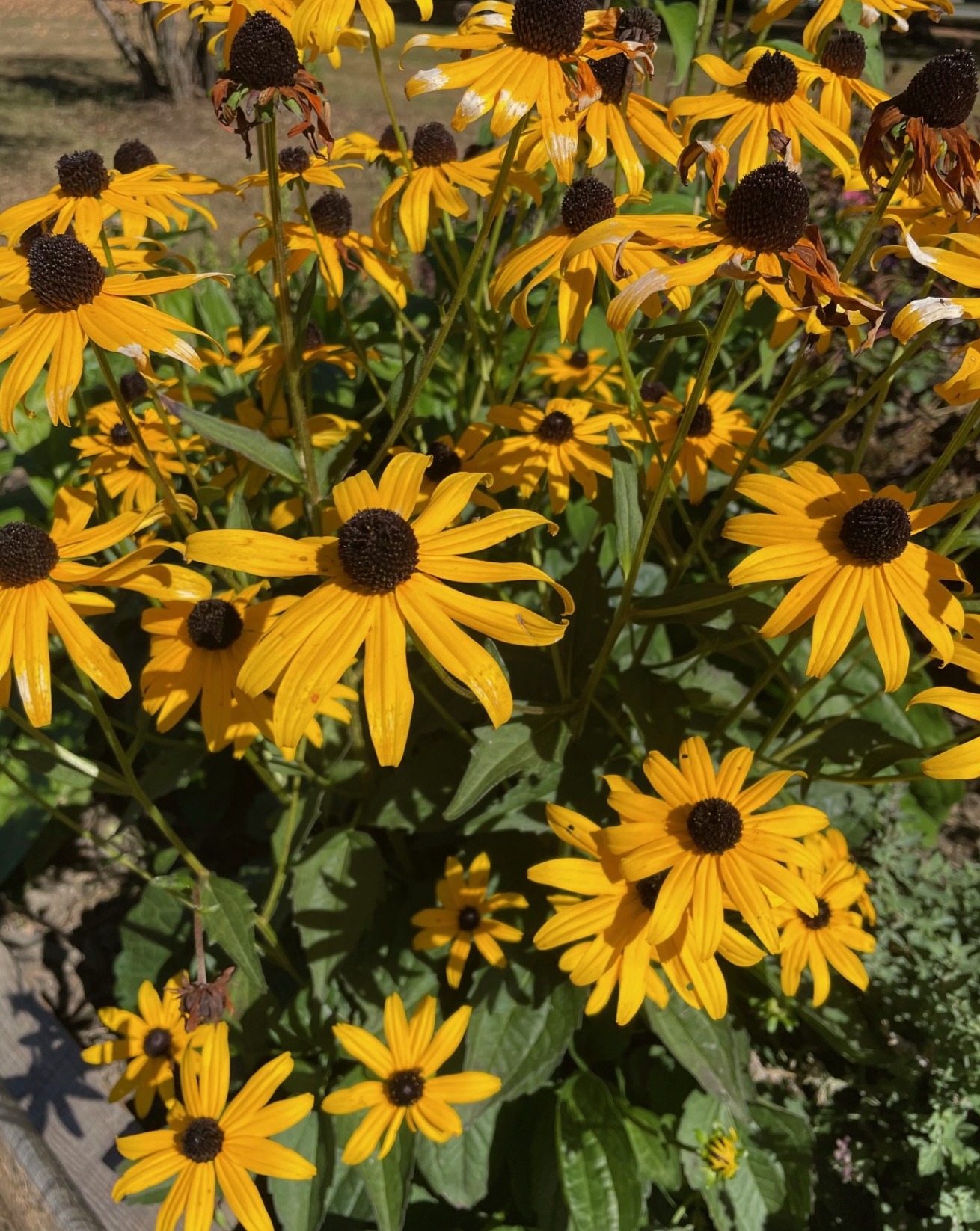
Black-eyed Susans (Ruddbeckia sp.)⇒
One of the brightest, eye-catching flowers, they grow up to 4 feet tall and 3 feet wide from mid-summer throughout the fall.
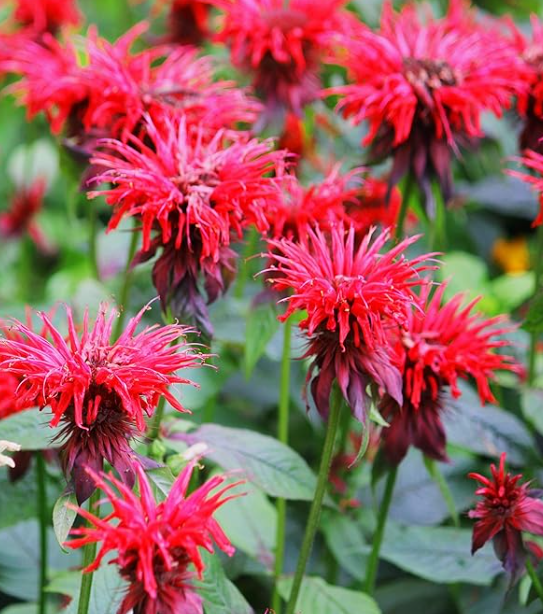
⇐ Bee Balm (Monarda didyma)
There is both Scarlet and Coral Reef varieties in the garden. Other common names include bergamot, horsemint, and oswego tea.
It typically ranges in height from 12 to 48 inches and 18 – 24 inches wide and blooms from Mid to late summer, often lasting 6–8 weeks.
Cat Mint (Nepeta faassenii)⇒
Known for its aromatic gray-green foliage and long-lasting, lavender-blue flowers.
It blooms from late spring into fall and grows in a mounding habit, typically reaching 1 to 3 feet tall and wide.

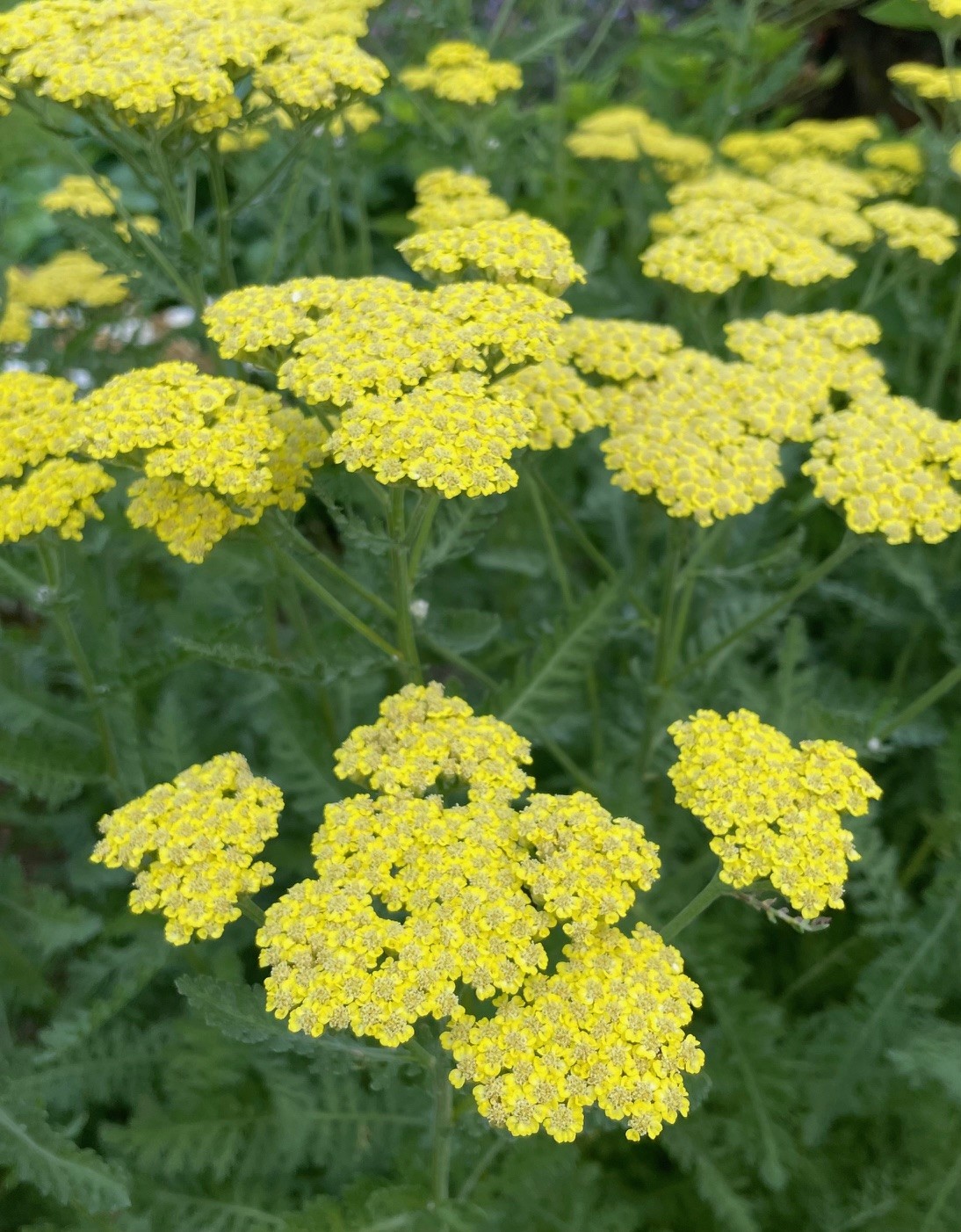
⇐ Yarrow (Achillea millefolium)
The yellow ‘Moonshine’ variety can be found in our garden.
It grows 18 inches tall with a 24 inch spread
and blooms all summer.
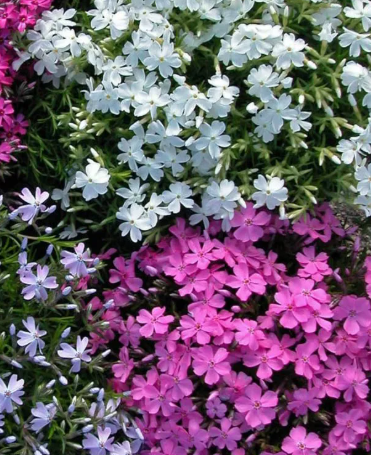
Creeping Phlox (Phlox subulata) ⇒
Shown in two of many color varieties.
Phlox spreads along the ground or over rocks. It grows 2 – 4 inches tall with a 12 – 18 inch spread.
Blooms mid- to late spring.
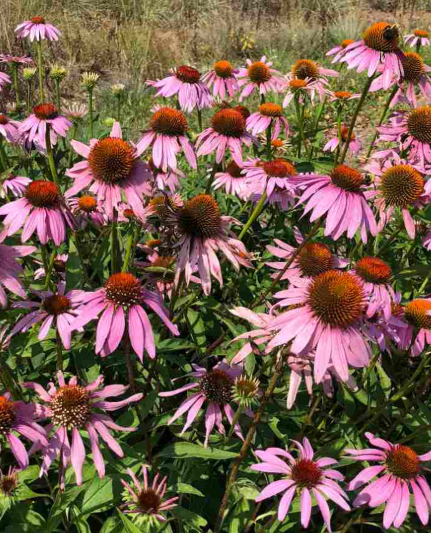
⇐Purple Coneflower (Echinacea purpurea)
Loved by pollinators, this hardy herbaceous perennial with rough-hairy, unbranched stems reach 2 – 4 feet. It has vibrant purple-pink, daisy-like flowers with a spiny, dark orange-brown central cone and blooms from summer to fall.
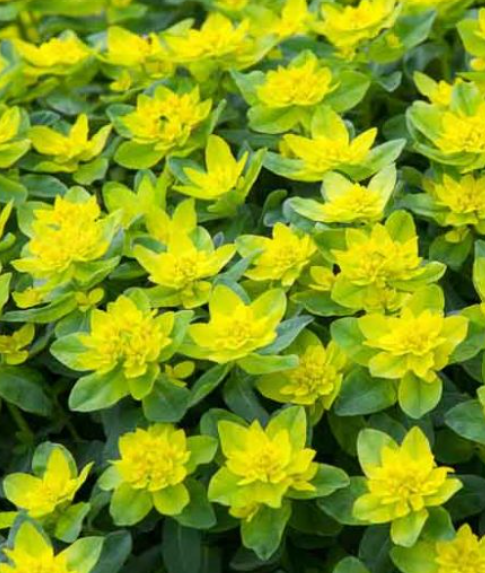
Cushion Spurge (Euphorbia polychroma) ⇒
A compact, clump-forming, herbaceous perennial, growing up to 18 inches tall.
It bears yellow flower-heads (cyathia) in the
spring and summer.
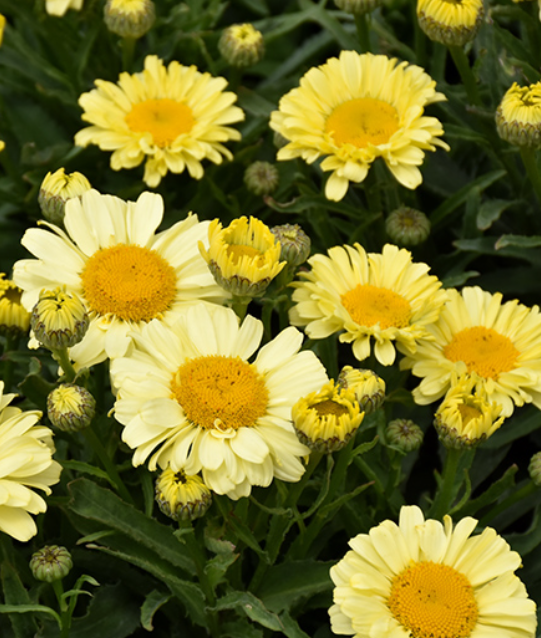
⇐ “Real Sunbeam” Daisy (Leucanthemum superbum, hybrid)
This variety grows 18–36 inches tall, blooms from early summer to fall, and has three layers of yellow petals. It thrives in full sun with average, well-draining soil.
Salvia (Salvia nemorosa) ⇒
“White profusion” variety (top)
“Dark Matter” variety (below) ⇒
Also known as woodland sage, salvia
typically grows 18–36 inches tall,
and spreads about 2 feet wide.
It blooms late spring through summer.

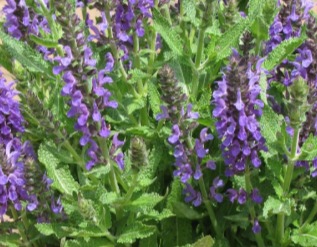
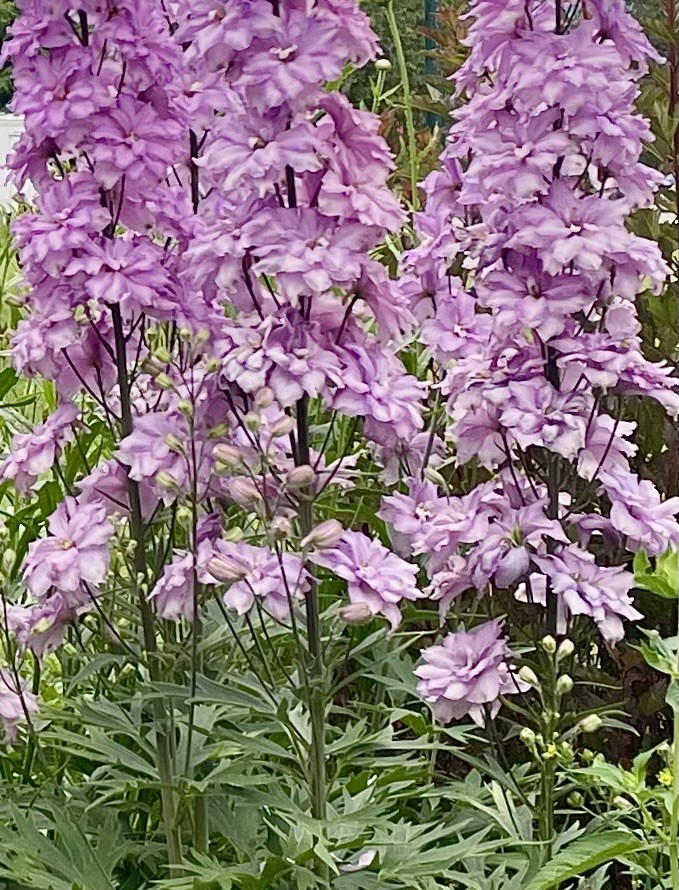
⇐ Delphinium (Delphinium elatum)
Also known as larkspur, this herbaceous perennial with double light purple flowers, ranges in height from 3-6′ tall. It blooms early
to late summer.
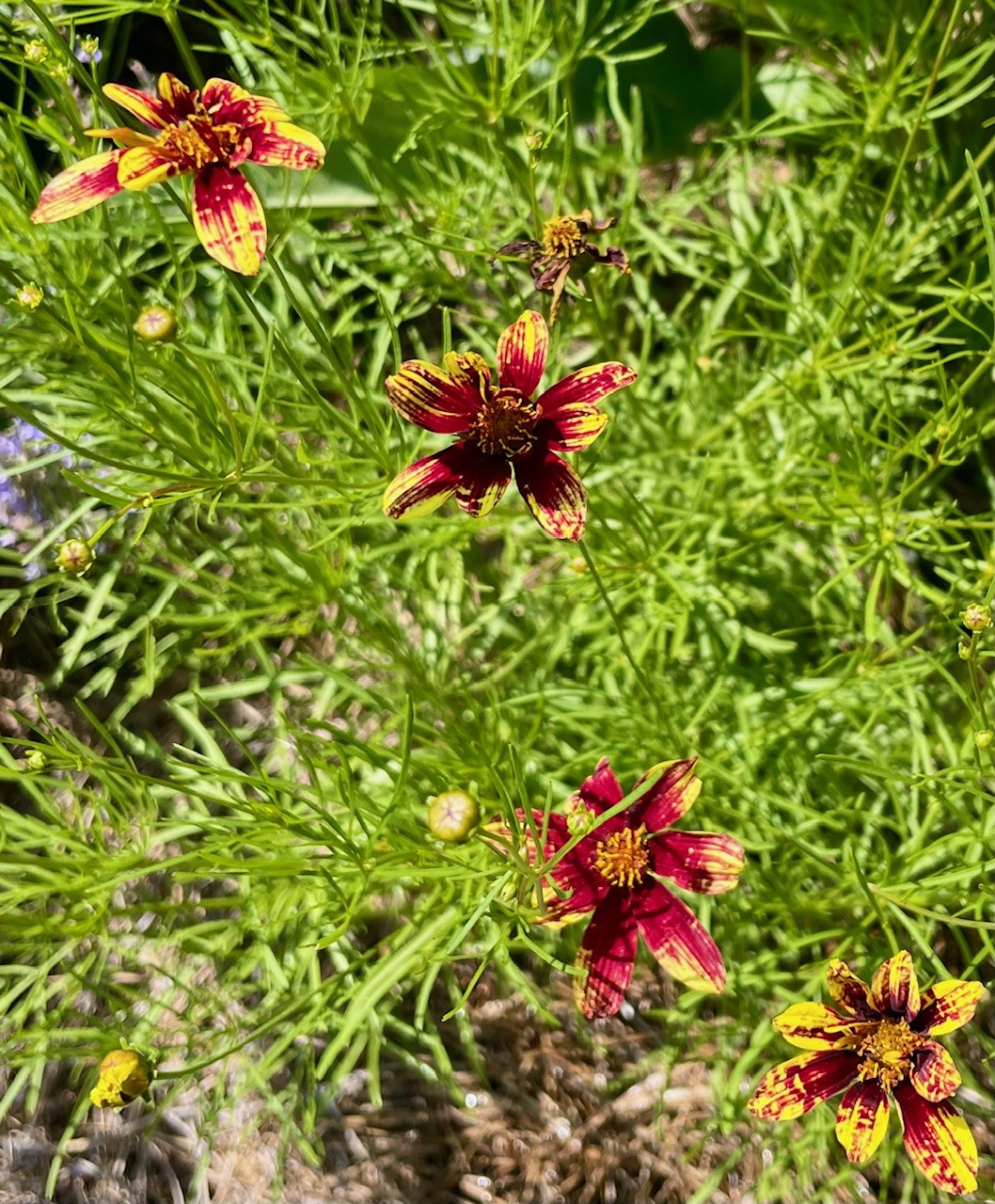
Coreopsis (Coreopsis sp.) ⇒
Coreopsis comes in a variety of leaf types
and colors. It can grow 18 – 48 inches tall.
Flowers bloom throughout the summer.
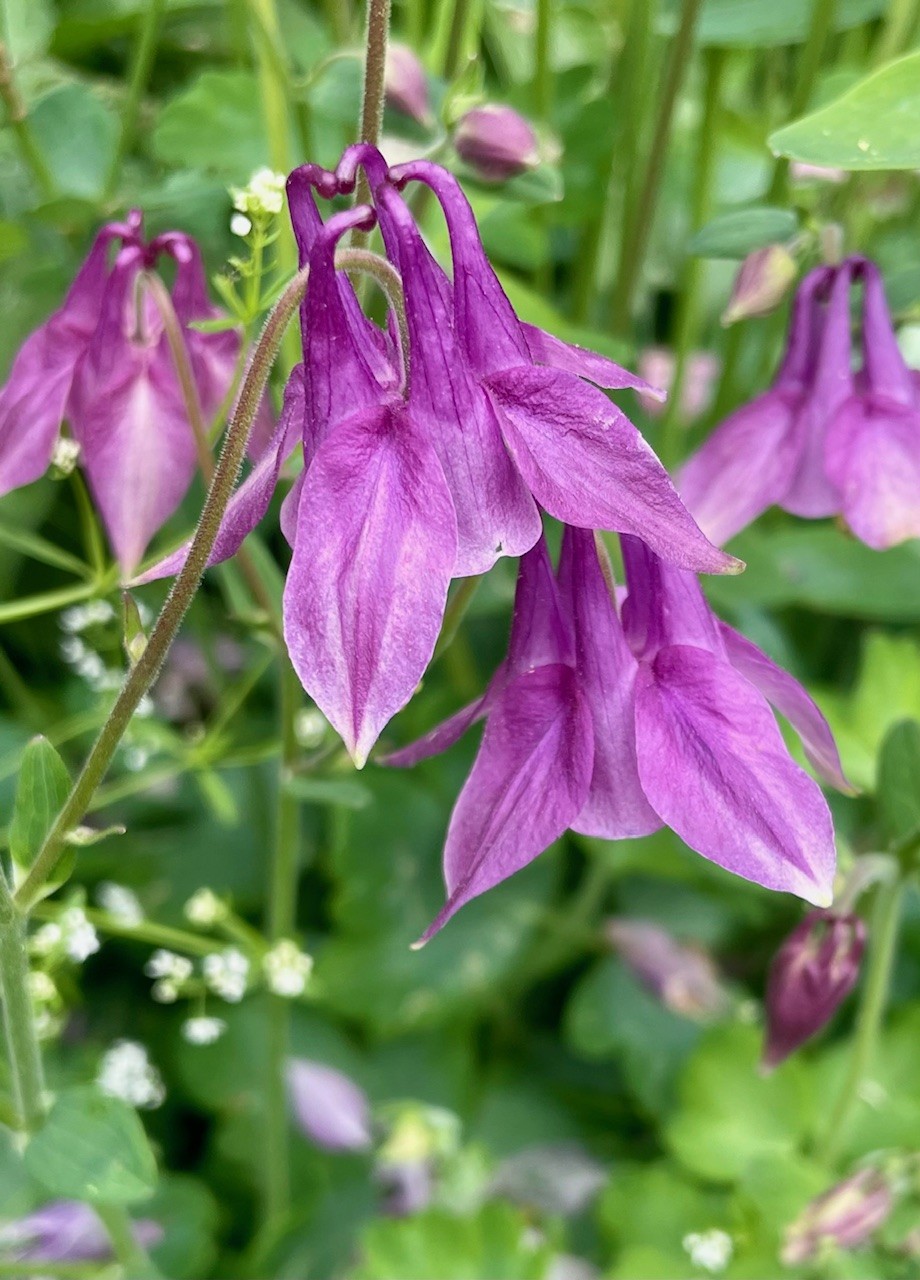
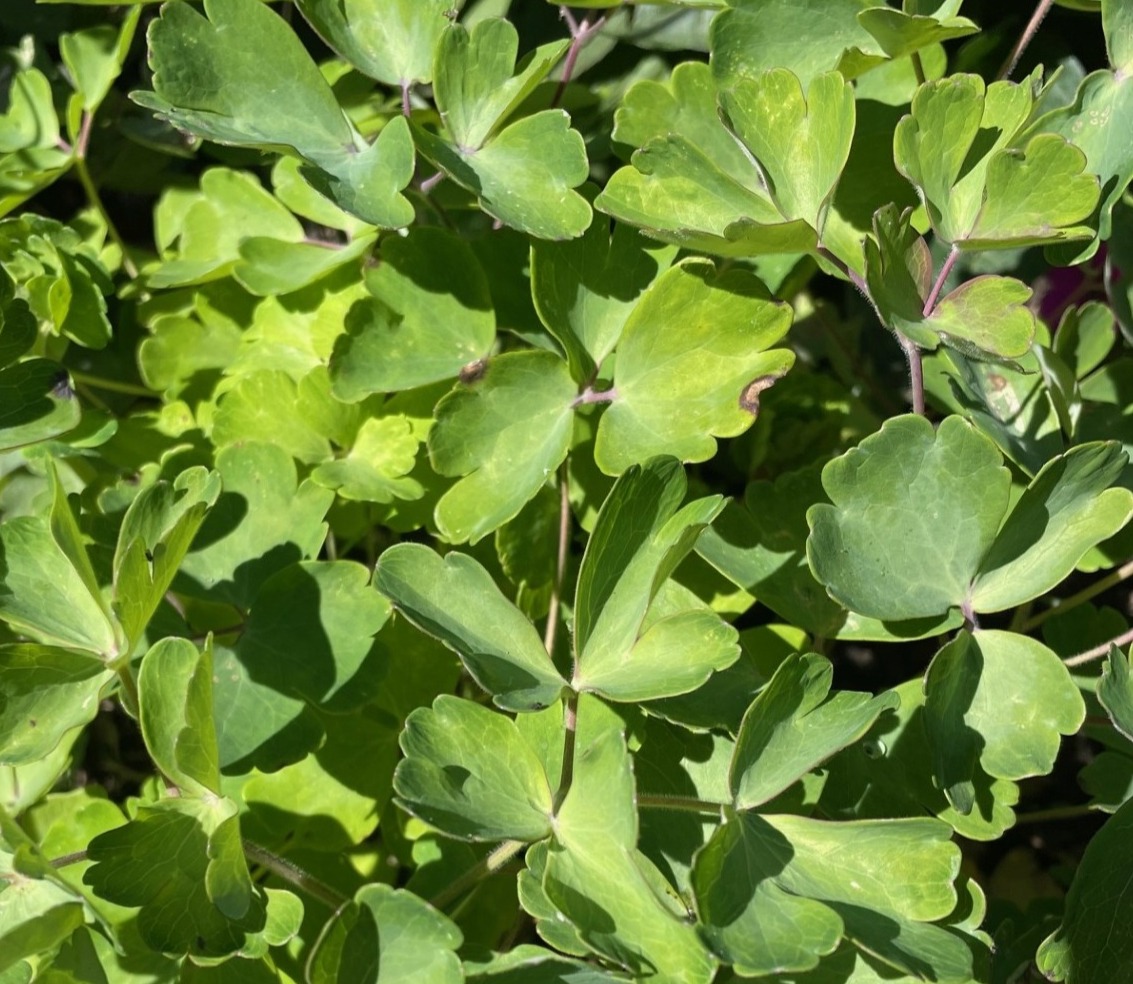
⇐ Columbine (Aquilegia sp.) ⇒
⇐“Harlequin” variety flowers
and leaves ⇒
Early summer blooming plants that come in a variety of colors, with flowers often being bicolored. They grow to 36-inch tall, and are deer-resistant.
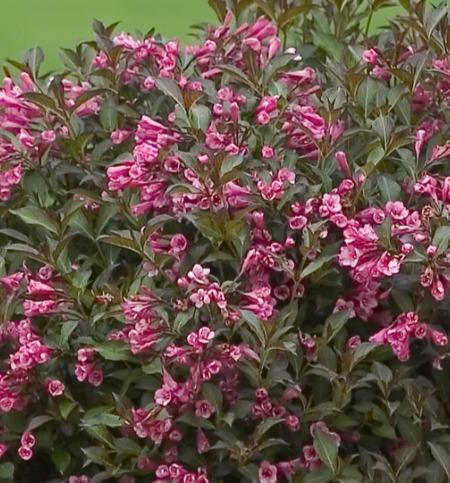
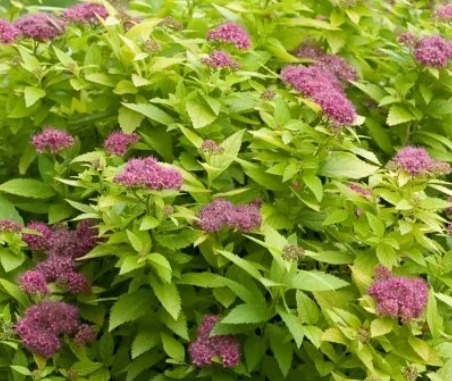
Our garden also has 4 small flowering shrubs: Ninebark, Weigela, Hydrangea, and Spirea.
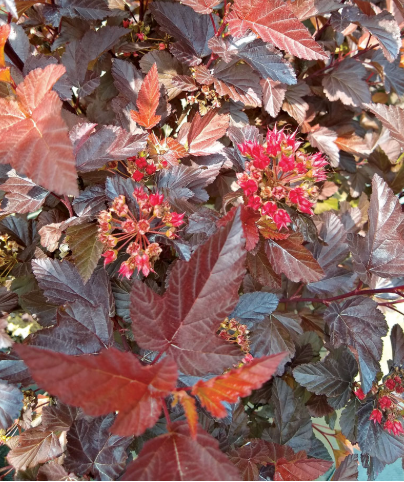
⇐ Ninebark (Physocarpus opulifolius)
Typically grows in a mound ranging 3 – 10 feet tall and wide, depending on the variety. It has red-purple vegetation and small pinkish flowers.
“Fine Wine” Weigela (Weigela florida) ⇒
A deciduous shrub with dark purple-burgundy foliage and vibrant pink flowers. The flowers bloom in spring and sporadically through summer. It grows 2–4 feet tall. Hummingbirds love the trumpet-shaped flowers.
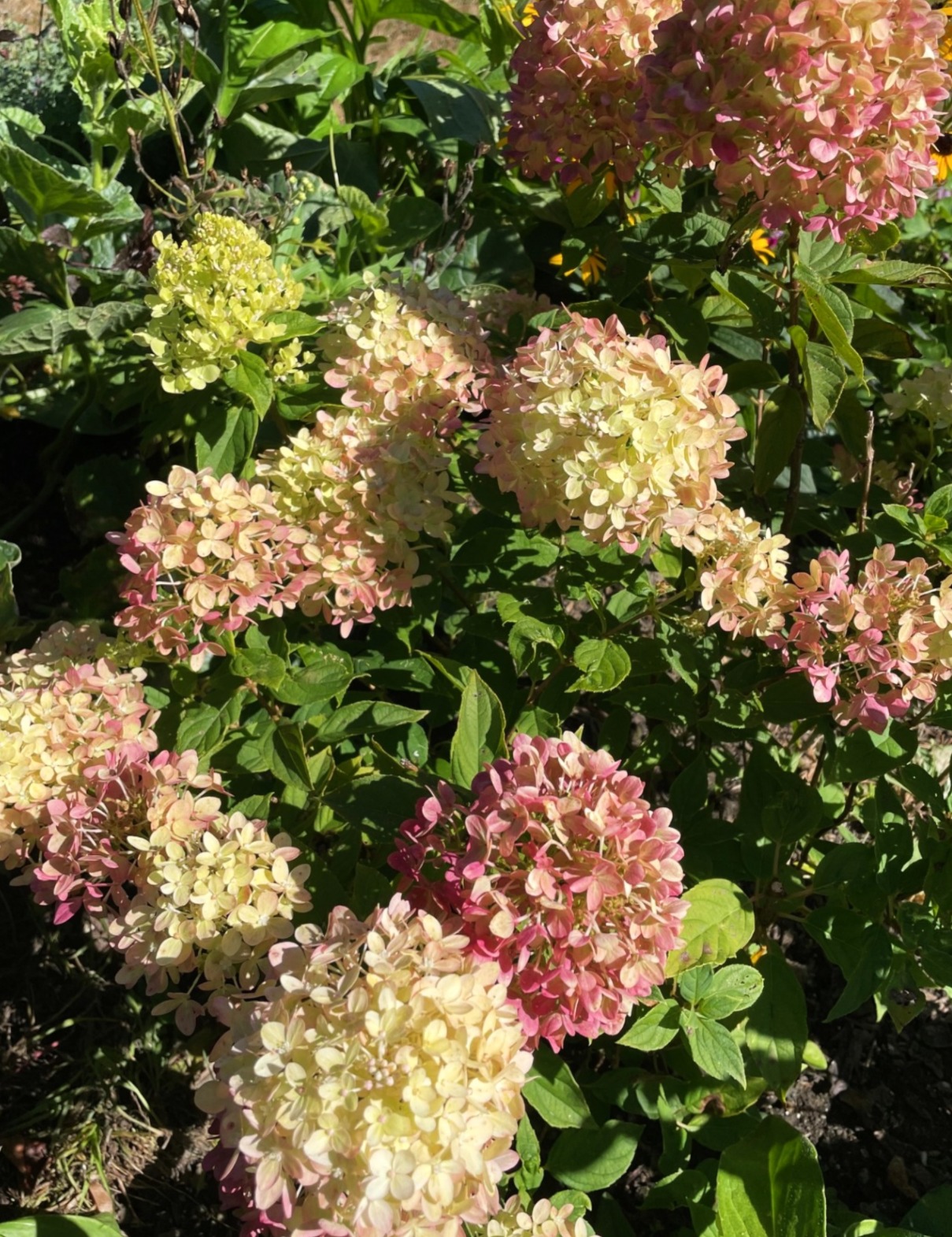
⇐ “Little Lime” Hydrangea (Hydrangea paniculata)
This beautiful shrub grows 3–5 feet tall and wide. It is known for its lime-green summer blooms that turn pink/burgundy in fall.
‘Magic Carpet’ Spirea (Spirea japonica)
in spring ⇒
Spirea in fall, as seen in garden. ⇒
A deciduous shrub with vibrant, multi-colored foliage and bright pink flowers that bloom in the summer. It typically grows 18–24 inches tall and 2–3 feet wide. Its foliage turns from red-tipped in spring to golden-yellow, then finishes with deep red in autumn.

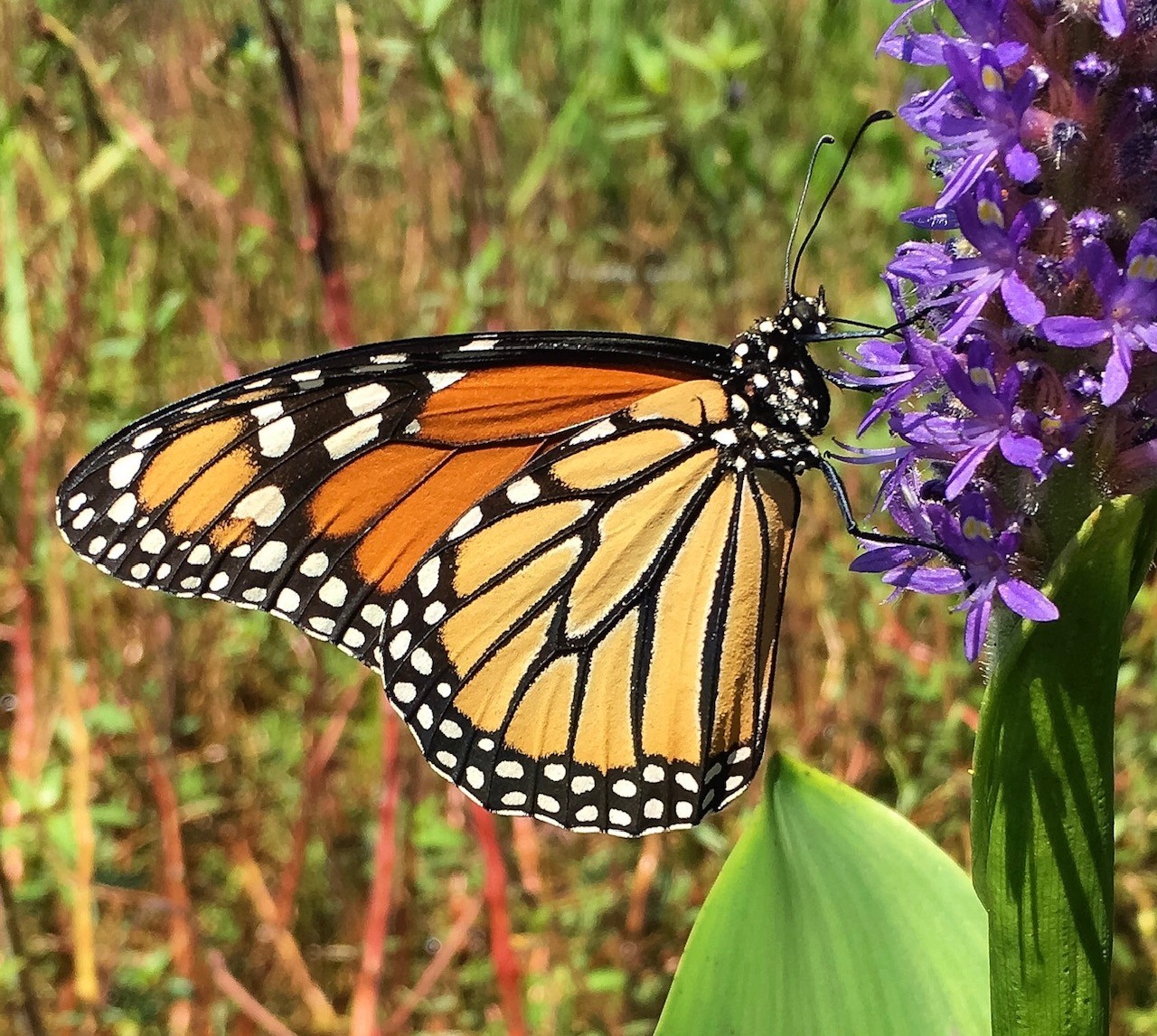
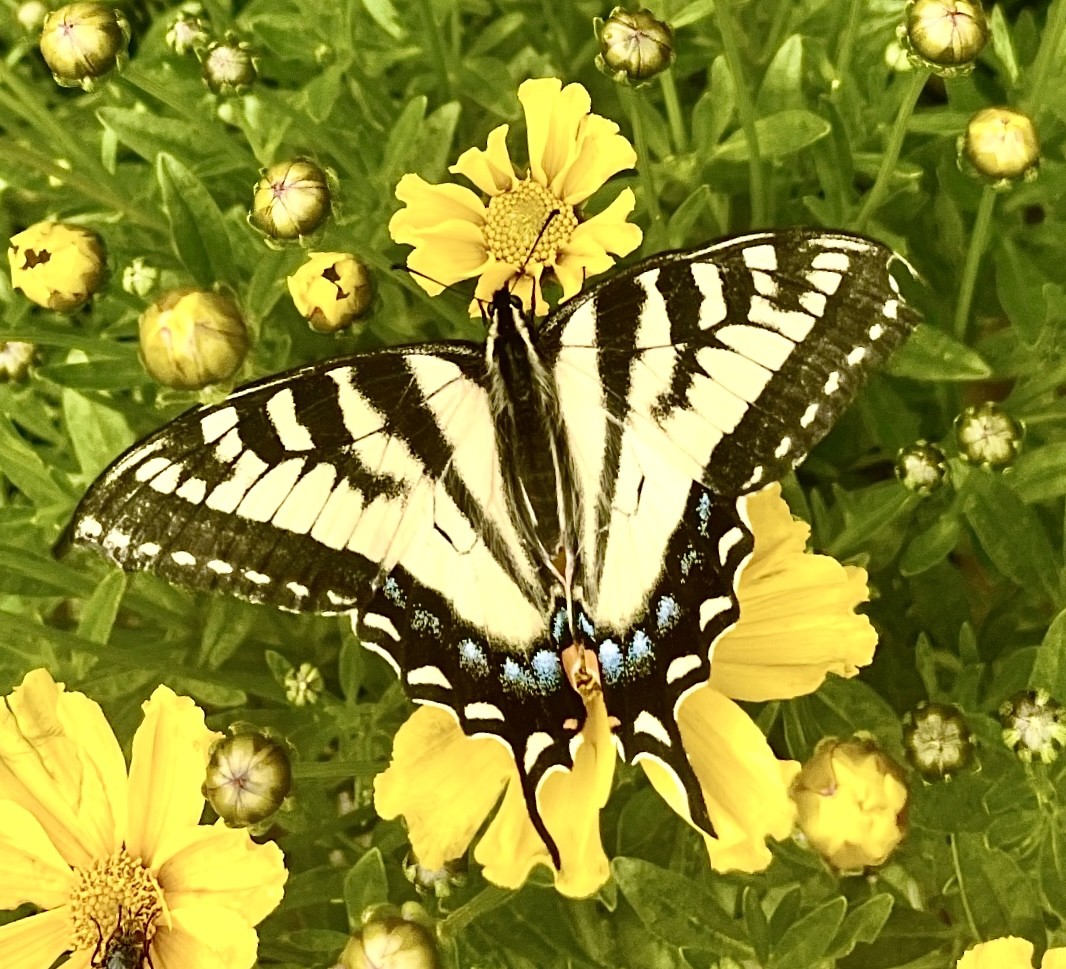
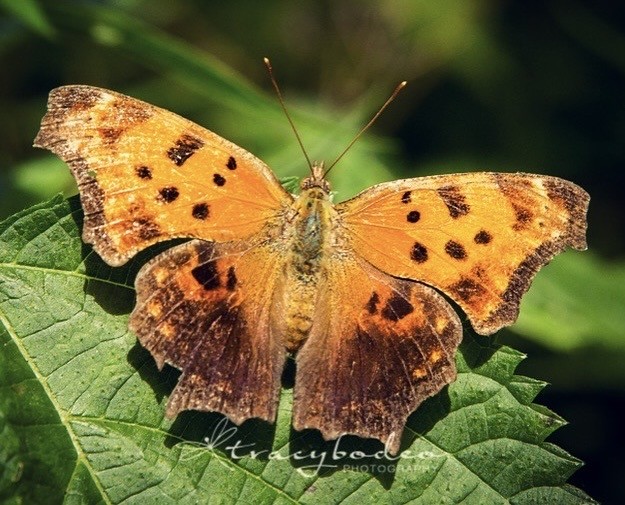
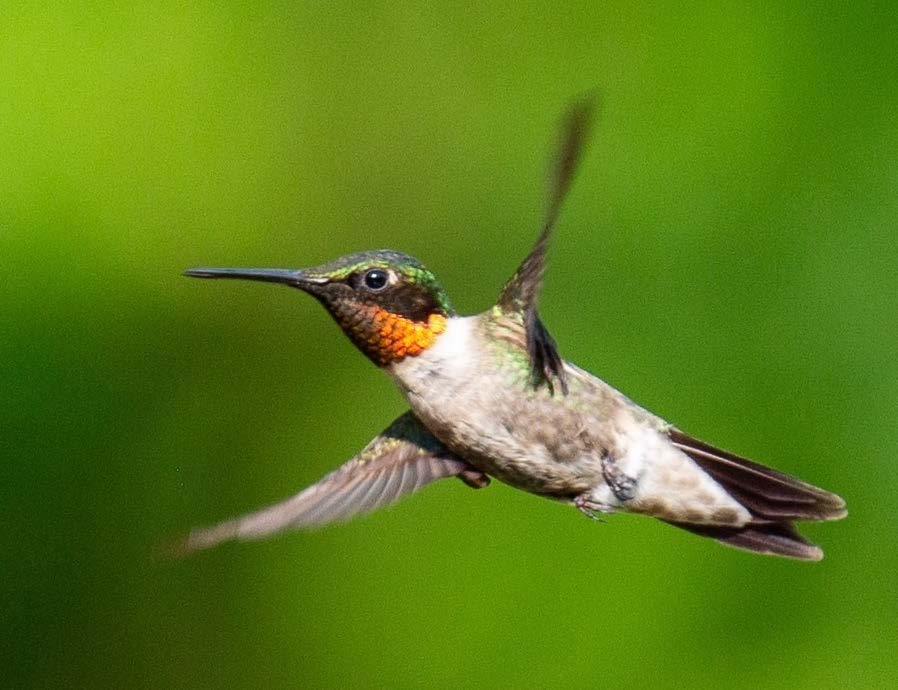
Would you like to find out what pollinators might visit the garden?….
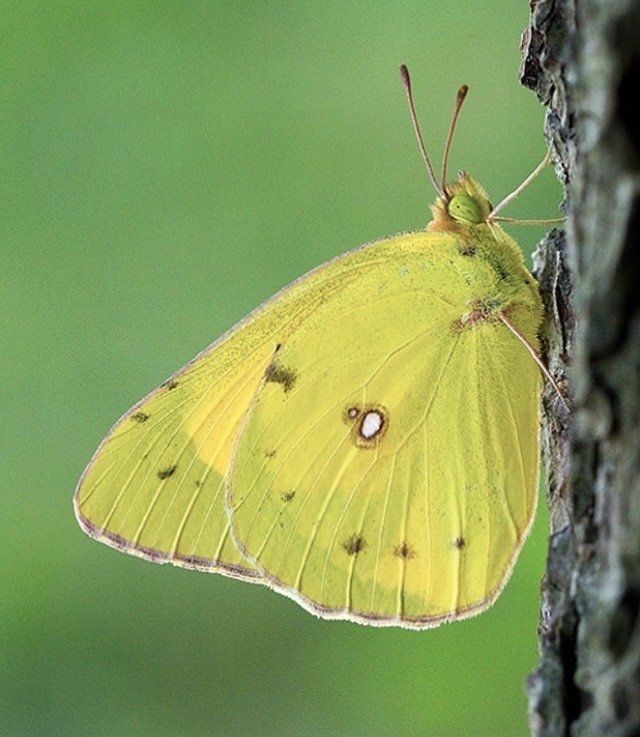
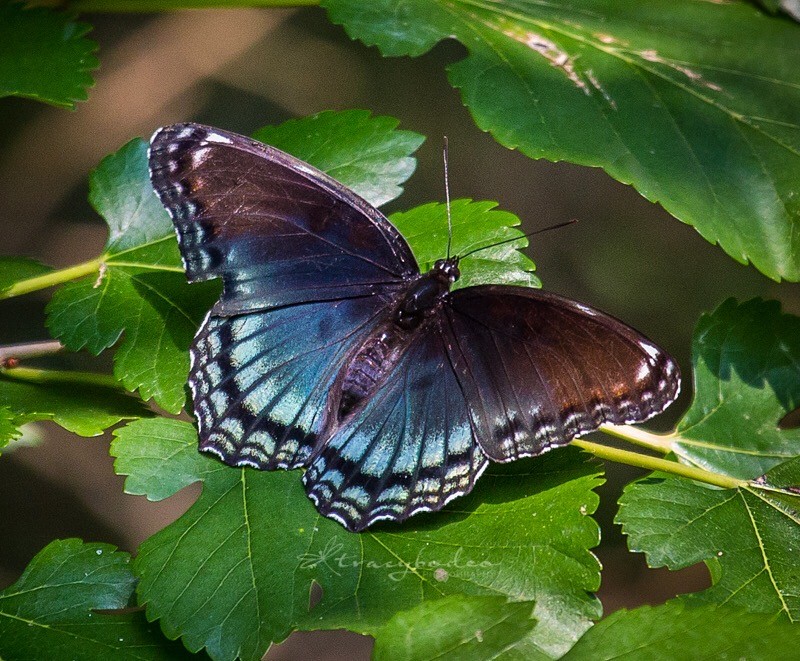
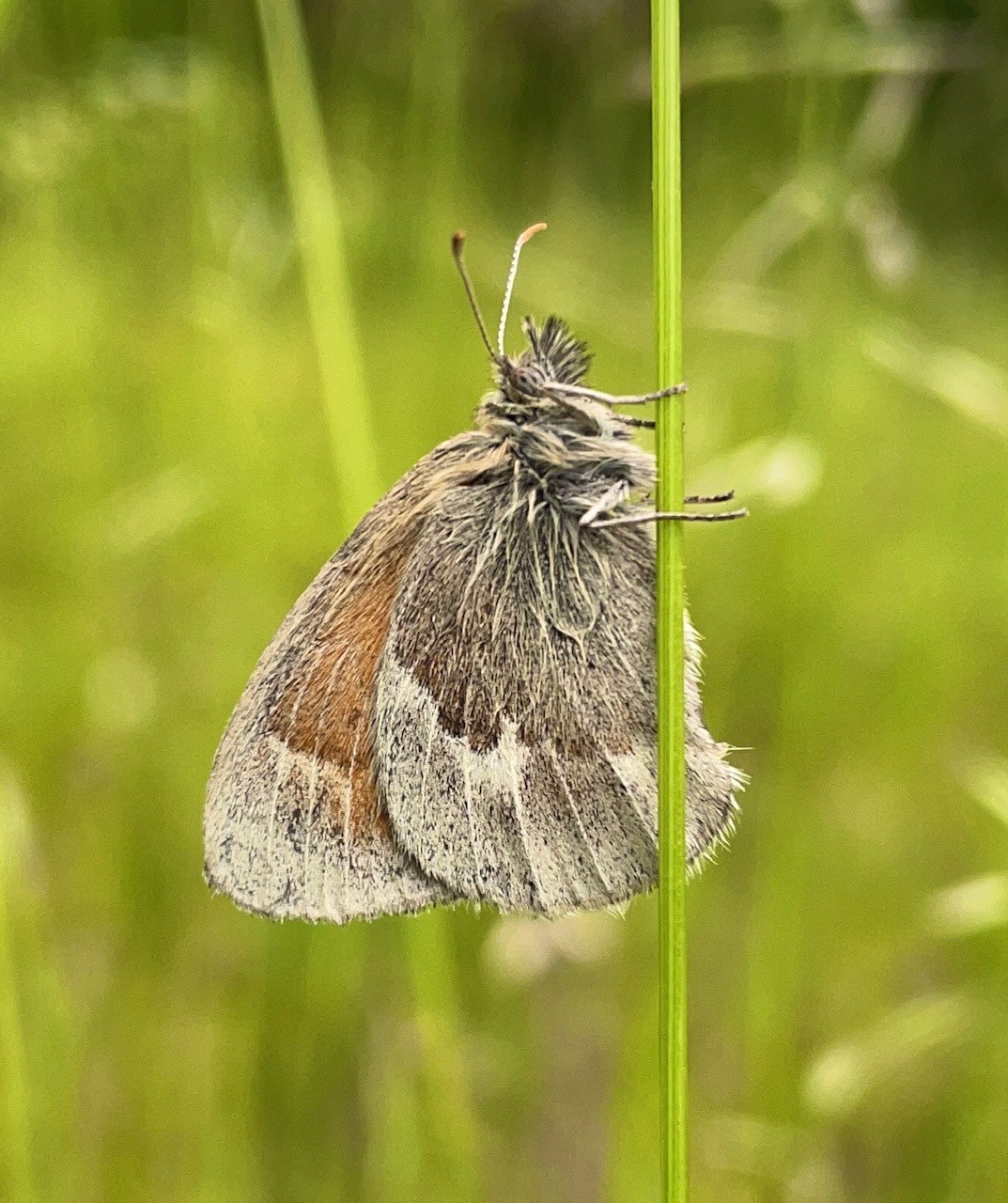
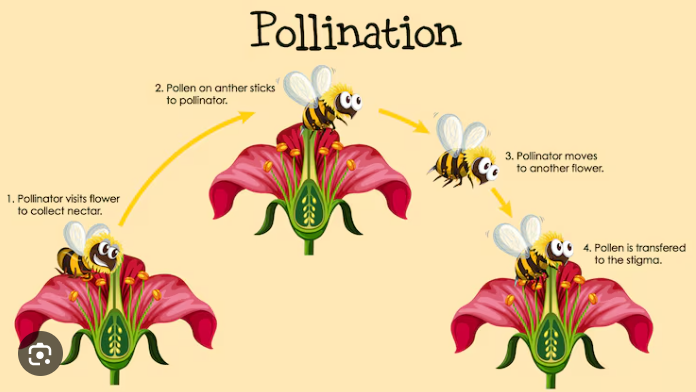
Click below to learn more.